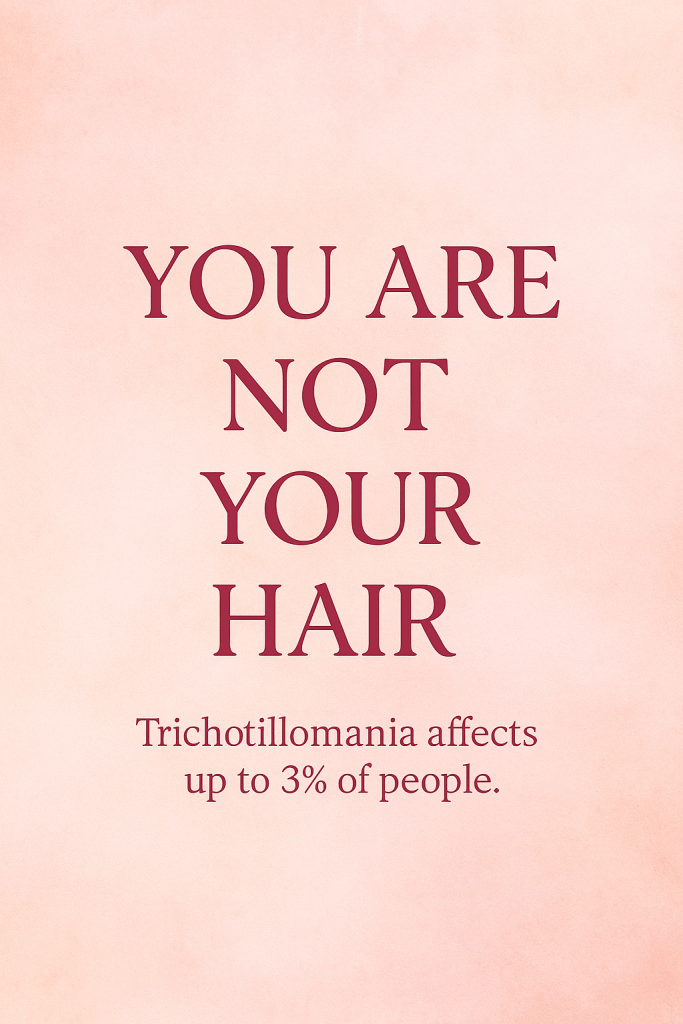
For many people living with Trichotillomania (often called “Trich”), the act of pulling hair can feel overwhelming, isolating, and deeply misunderstood. But here’s something important: you are not alone—and more and more hairstylists are learning how to create safe, supportive spaces where healing can happen one appointment at a time.
As stylists, we aren’t just about hair—we’re about helping people feel seen, loved, and confident. For clients with Trich, that means offering more than just a cut or style. It means working together on reducing urges, supporting regrowth, and normalizing conversations around Trichotillomania.
Normalizing Trichotillomania
Trich affects millions of people worldwide, yet so few feel comfortable speaking openly about it. Clients often carry shame or guilt, worrying about how others will react to their hair loss or pulling habits.
As stylists, one of the most powerful things we can do is normalize the conversation. When we approach clients with compassion and zero judgment, we give them permission to stop hiding. A simple phrase like “You’re safe here. I understand what Trich is, and I’m here to help however you need” can make an enormous difference.
👉 Helpful resource to share: The TLC Foundation for Body-Focused Repetitive Behaviors offers education, support, and community for people with Trich.
How Stylists Can Help Reduce Urges
While stylists aren’t therapists, we can play a meaningful role in helping clients find peace with their hair. Some ways include:
Gentle Scalp Care: Scalp massages or nourishing treatments can redirect a client’s focus from pulling to relaxation. Protective Styles: Braids, toppers, wigs, or hairpieces can provide a barrier that reduces easy access to pulling areas. Collaborative Conversations: Asking clients what triggers they notice, and adjusting styling accordingly, helps them feel involved and supported. Mindful Appointments: Creating a calm environment—soft music, affirmations, and safe conversation—turns a salon visit into a healing ritual.
Supporting Natural Hair Regrowth
Hair can and does regrow for many people with Trich when the follicles are still healthy. Stylists can guide clients through regrowth journeys by offering:
Gentle Products: Suggest sulfate-free shampoos, lightweight conditioners, and nourishing scalp treatments. Low-Tension Styling: Avoid tight ponytails, extensions, or anything that stresses fragile follicles. Regular Care Plans: Consistent trims and gentle treatments encourage healthier, stronger regrowth.
You might consider offering a “Trich Healing Service Menu” at your salon—complete with scalp care, custom wig fittings, and gentle styling sessions. This helps clients feel there’s a dedicated place just for them.
Finding Community & Trich Groups
Healing is easier when you don’t feel alone. Encouraging clients to join Trich support groups—online or in person—can help them connect with others who truly understand.
Online groups: Facebook has active Trichotillomania support communities where people share tips and encouragement. Local meetups: Check Meetup.com or local mental health centers for in-person gatherings. Professional guidance: Pairing stylist support with therapy or coaching can empower clients on both emotional and physical levels.
A Personal Note of Hope
If you’re a client living with Trich, know this: your hair doesn’t define your beauty or your worth. Healing is possible, and you deserve to feel confident and whole.
And if you’re a stylist, know that your kindness and willingness to learn can be life-changing. You might be the first person who makes your client feel safe, lseen, and beautiful in their natural state.
Together, we can create a world where Trichotillomania isn’t hidden in shame, but instead met with compassion, understanding, and hope.
Every strand tells a story, but your worth has never been measured by your hair.
Here , at Finding Hair Peace , we hold space for women and girls living with Trichotillomania—because you deserve to feel beautiful, supported, and understood.
Healing isn’t always a straight line, but every step you take matters. Whether you’re learning to reduce urges, nurturing regrowth, or simply finding comfort in protective styles, know that you are not walking this journey alone.
If this resonates with you, I invite you to connect—with me, with others in our community, or with resources like The TLC Foundation for BFRBs. Together, we can break the stigma, lift each other up, and remind the world: you are not your hair—you are so much more.
With love,
Cassie ✨💖”*
 💖 Finding Hair Peace ☮️
Leave a comment